Hawaiʻi Volcanoes National Park
Hawai‘i Volcanoes National Park protects some of the most unique geological, biological, and cherished cultural landscapes in the world. Extending from sea level to 13,680 feet, the park encompasses the summits of two of the world's most active volcanoes - Kīlauea and Mauna Loa - and is a designated International Biosphere Reserve and UNESCO World Heritage Site.
Map showing location of park.
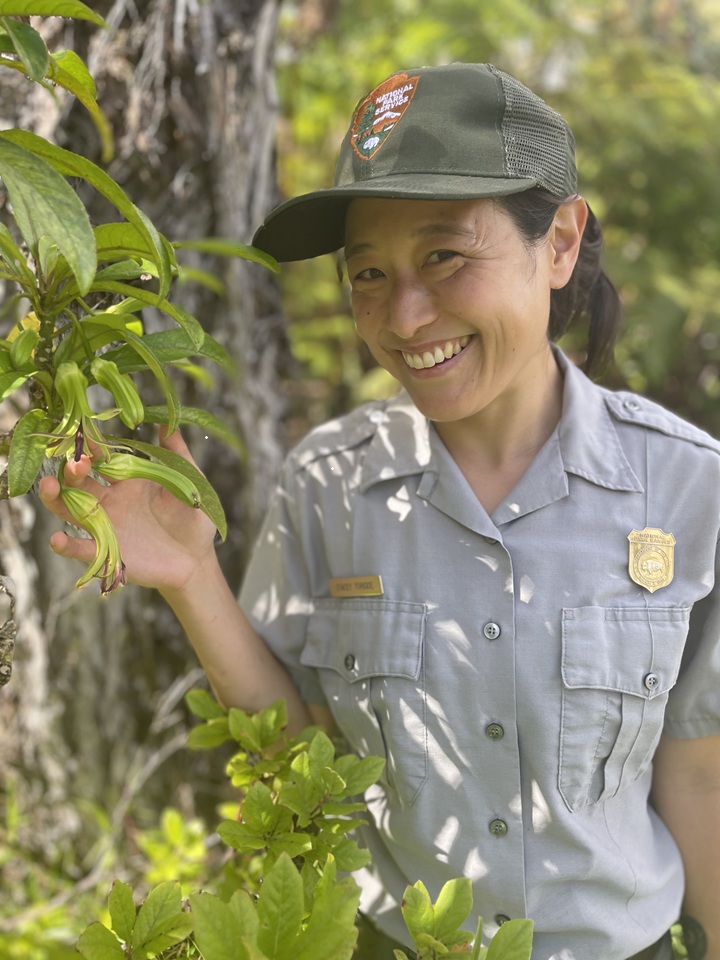
Park Ecologist Earns National Park Service Director’s Award for Natural Resource Management
Hawaiʻi Volcanoes National Park Ecologist Stacey Kehaulani Torigoe will receive the prestigious National Park Service 2026 Director’s Award for Natural Resource Management. The Director’s Award recognizes the outstanding contributions of National Park Service staff in understanding, protecting, and managing natural and cultural resources in and around national parks.
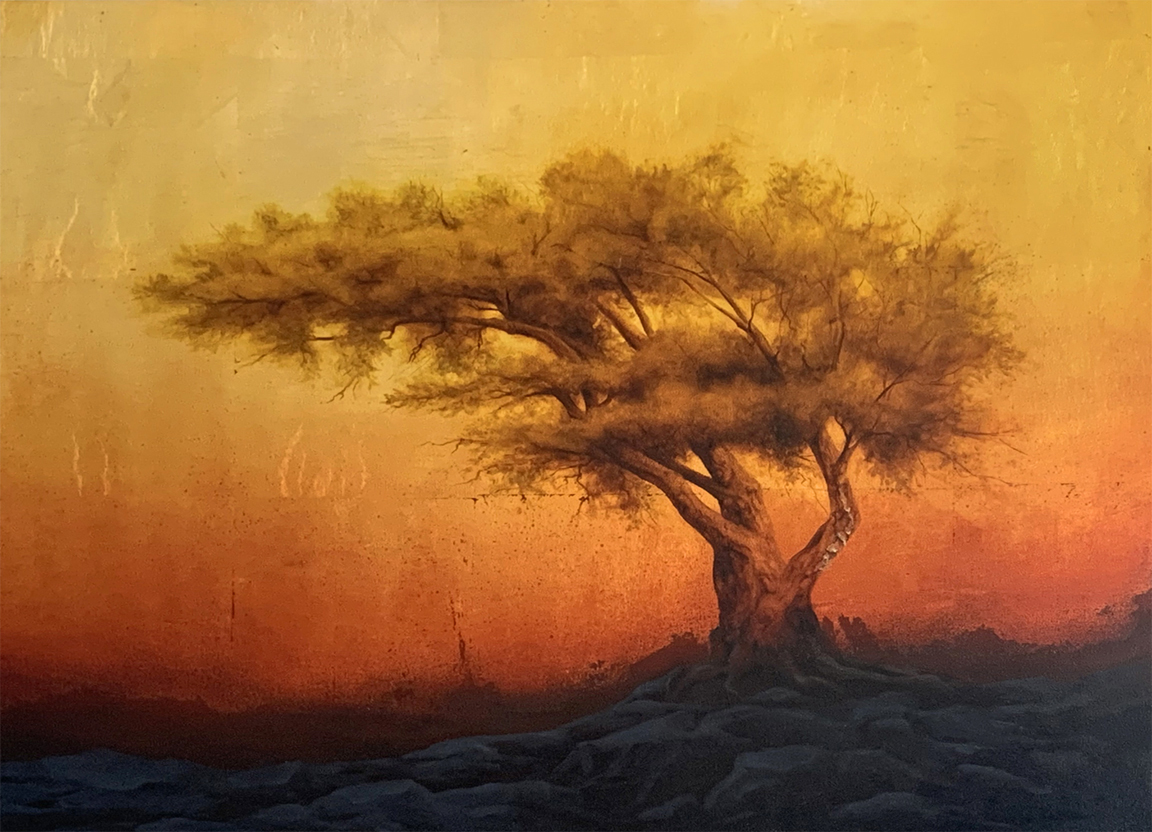
October Events at Hawai‘i Volcanoes National Park
Hawaiʻi Volcanoes National Park announces park programs for October 2026:
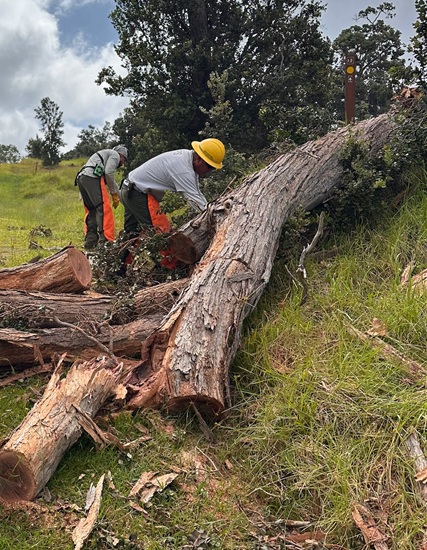
Kahuku Unit to Reopen on Thursday, September 3
The Kahuku Unit in Hawaiʻi Volcanoes National Park will reopen to visitors on Thursday, September 3 after being closed due to damage from heavy rain and strong winds during Hurricane Lala.
September 2026 Notice of Flight Operations
Hawai‘i Volcanoes National Park announces flight operations for September 2026:
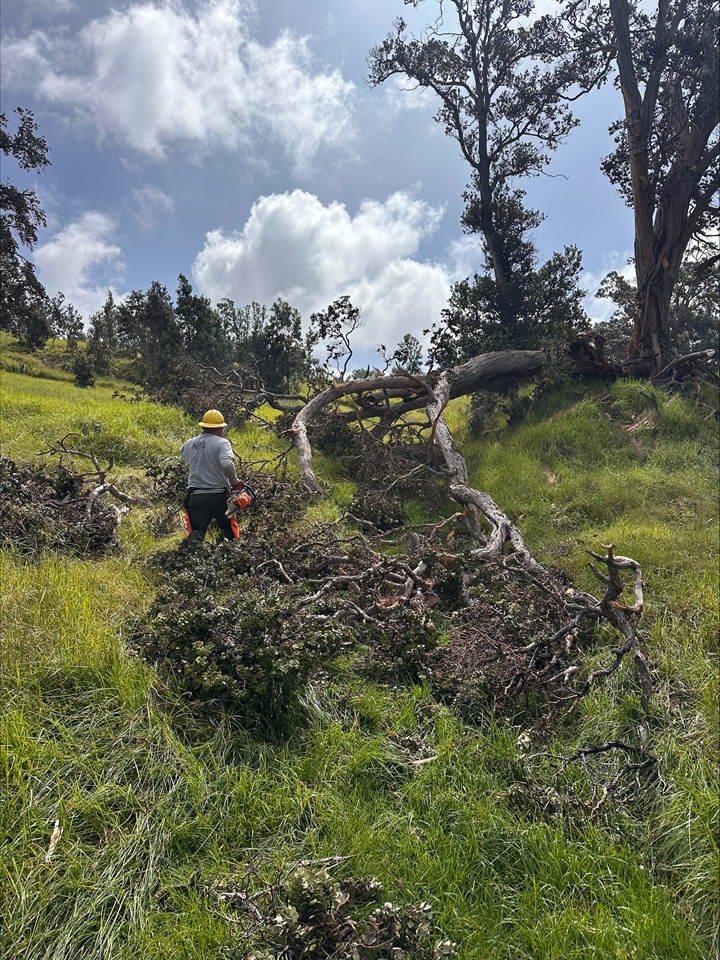
Most of Hawaiʻi Volcanoes National Park Now Open Following Storms and Reduced Fire Risk
Most of Hawaiʻi Volcanoes National Park is now open following temporary closures due to a hurricane, a tropical storm and heavy rain that reduced fire risk.
Photo by NPS Photo
Photo by NPS Photo/J. Wei
Photo by NPS Photo/A. LaValle
Photo by Courtesy of J. Frank
Photo by NPS Photo/A. LaValle
Photo by NPS Photo/A. LaValle
Photo by NPS Photo/D. Boyle
Photo by NPS Photo/A. LaValle
Photo by NPS Photo
Photo by NPS Photo/J. Wei
Photo by NPS Photo/J. Wei
Photo by NPS Photo/A. LaValle